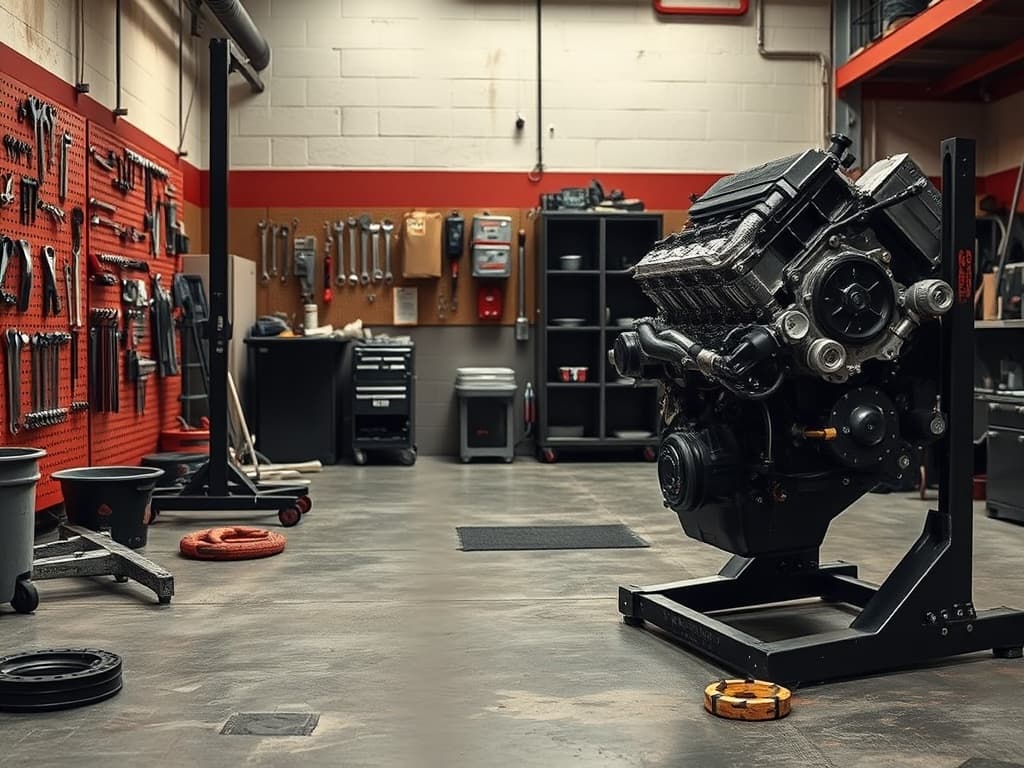
From forum-thread habit to published manual.
Four beats that explain how an answer-thread habit turned into the customer base of a one-wrencher publishing imprint — and why the manuals look the way they do.
- 01
How the manuals started
The first manual was the one I'd been asking for in every LS forum thread the whole time I was dropping a 5.3 into my truck. Pull a working LS out of a wrecked Silverado, read everything you can find, and you end up with a pile of forum posts nobody agrees on and a torque value from a PDF you're not sure is the right variant. So I pulled the transmission on a weekend, wrote every spec off the actual bench during the reassembly, and photographed every fastener in order. That was Manual 01. The rest of the LS family is the long-game plan, one wrench session at a time.
- 02
Why LS
LS is the swiss-army knife of the hot-rod bay — affordable, plentiful, well-documented at the engineering level, and forgiving enough that a weekend wrencher can finish a build without trashing the engine. The manuals focus on LS because that's what's parked on the engine stand. Other engine families stay on the roadmap once the LS shelf is full.
- 03
What 'shop-floor' means here
Every photo and every torque value in a Cozart Garage manual was pulled from a real pull-down and reassembly. Not paraphrased from a manual nobody owned, not lifted from a third-party forum post — tightened or loosened on the bench during the build the photographs came from. That's the cheat-sheet of mistakes you've already paid for, written down so the next wrencher doesn't repeat them.
- 04
The shop today
One wrencher, one workspace, one published manual at a time. Stripe checkout, instant download link in your inbox, 30-day refund if it isn't what you expected. The roadmap is the LSx family end-to-end (LS1 onto LS9, including the truck variants), then platform-specific swap books for the chassis that take an LS happily.